
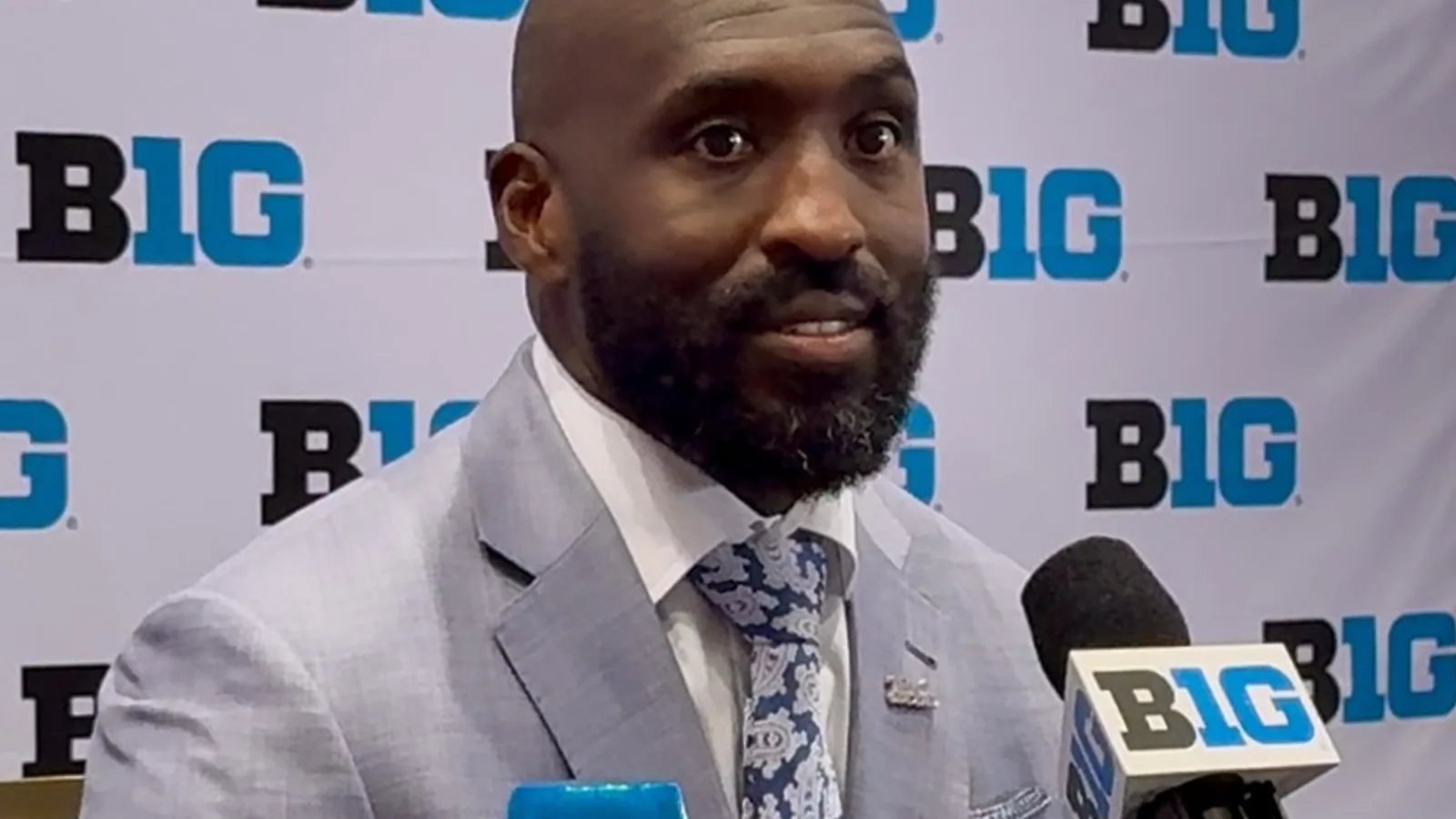
Ta’Shawn James intercepted California on consecutive possessions, and Wayne Knight scored on the ensuing UCLA possession after each takeaway. Those takeaways and scoring possessions turned a tied game into the decisive stretch of a 45-24 UCLA win, giving Bob Chesney a road victory in his debut.
UCLA needed those takeaways to break open a tied game, so Saturday should show whether the Bruins can control ordinary possessions too. UCLA hosts San Diego State in its home opener at 4:15 p.m. Pacific on BTN, with the model giving the Bruins a 51% chance to win. This is essentially a toss-up, not a comfortable encore.
Make the rushing success travel from one game to the next
UCLA ran for 277 net yards and six touchdowns at Cal; Anthony Woods supplied 118 yards, Knight added 71, and three Bruins recorded positive rushing yardage beyond those two. The distribution matters because it gives offensive coordinator Dean Kennedy more than one answer when San Diego State commits bodies to the run.
The resistance should be real. San Diego State allowed Portland State only 95 net rushing yards, while producing 237 rushing yards of its own. The Aztecs did that with a rebuilt defense. Tackle Malachi Finau is its only returning defensive starter, and seven players made their first SDSU start in the opener.
So watch how UCLA earns its yards. Chesney said Kennedy found more to exploit in the run game late against Cal, evidence that the staff adjusted rather than merely calling the same successful concept. But Chesney also identified penalties, a failed trick play and a protection concern as reasons third-quarter possessions stalled. Against SDSU, sustained drives would tell us more than another box score inflated by sudden short fields.
Nico Iamaleava is part of that test. He completed 14 of 22 passes for 184 yards with an interception, took two sacks and ran for 29 net yards and a touchdown at Cal. UCLA does not need to abandon the ground game; it needs Iamaleava and the protection around him to punish the Aztecs when their attention tilts toward it.
The receiving rotation may complicate that task. Starting receiver Landon Ellis left early in the third quarter at Cal with a head injury. If he cannot play or is limited, note who absorbs his snaps and whether Kennedy can create credible passing options without him.
Look for stops that do not require a turnover
James’s interceptions were not UCLA’s only encouraging defensive contributions. In Colin Hitschler’s debut as coordinator, Sammy Omosigho made 14 tackles, recorded a sack and forced the fumble that Amier Washington recovered; Derrick Barksdale added the other UCLA sack. Those are useful early clues about which players can disrupt a game.
The ordinary downs were less convincing. UCLA conceded 291 passing yards and allowed Adam Mohammed to rush for 120 yards, even while forcing three turnovers and stopping all three California fourth-down attempts. Against San Diego State, the Bruins need to win early downs, contain the Aztecs’ rushing game and force punts without relying on James or another defender to produce a takeaway.
Both Week 1 margins came with unusual leverage. SDSU scored after two blocked punts and added a 100-yard kickoff-return touchdown in its 53-20 win over Portland State. UCLA pulled away only after James’s consecutive interceptions supplied Knight with immediate scoring opportunities. Root for a UCLA performance that remains in control when those volatile plays are removed.
Let the togetherness show up in repetition
Chesney, Mikey Matthews and Knight each described trust or togetherness after the reconstructed roster held firm when Cal tied the game. That is meaningful first evidence, especially because at least 38 Bruins made their UCLA debuts in the opener, but cohesion becomes convincing through repetition. That requires clean substitutions, fewer drive-killing mistakes and another composed response if SDSU lands a punch.
Chesney arrived after going 21-6 in two seasons at James Madison, winning the 2025 Sun Belt title and reaching the College Football Playoff. That résumé makes rapid improvement plausible; it does not make one successful Saturday conclusive. Week 2 can strengthen the case if UCLA’s rushing adjustment, passing support and defensive consistency all function without a takeaway avalanche.
There is no outside game worth splitting attention over this week. The interactive guide and methodology provide the broader numbers. Inside the Rose Bowl, UCLA needs to sustain drives and force punts often enough that the game does not hinge on another pair of sudden takeaways.