
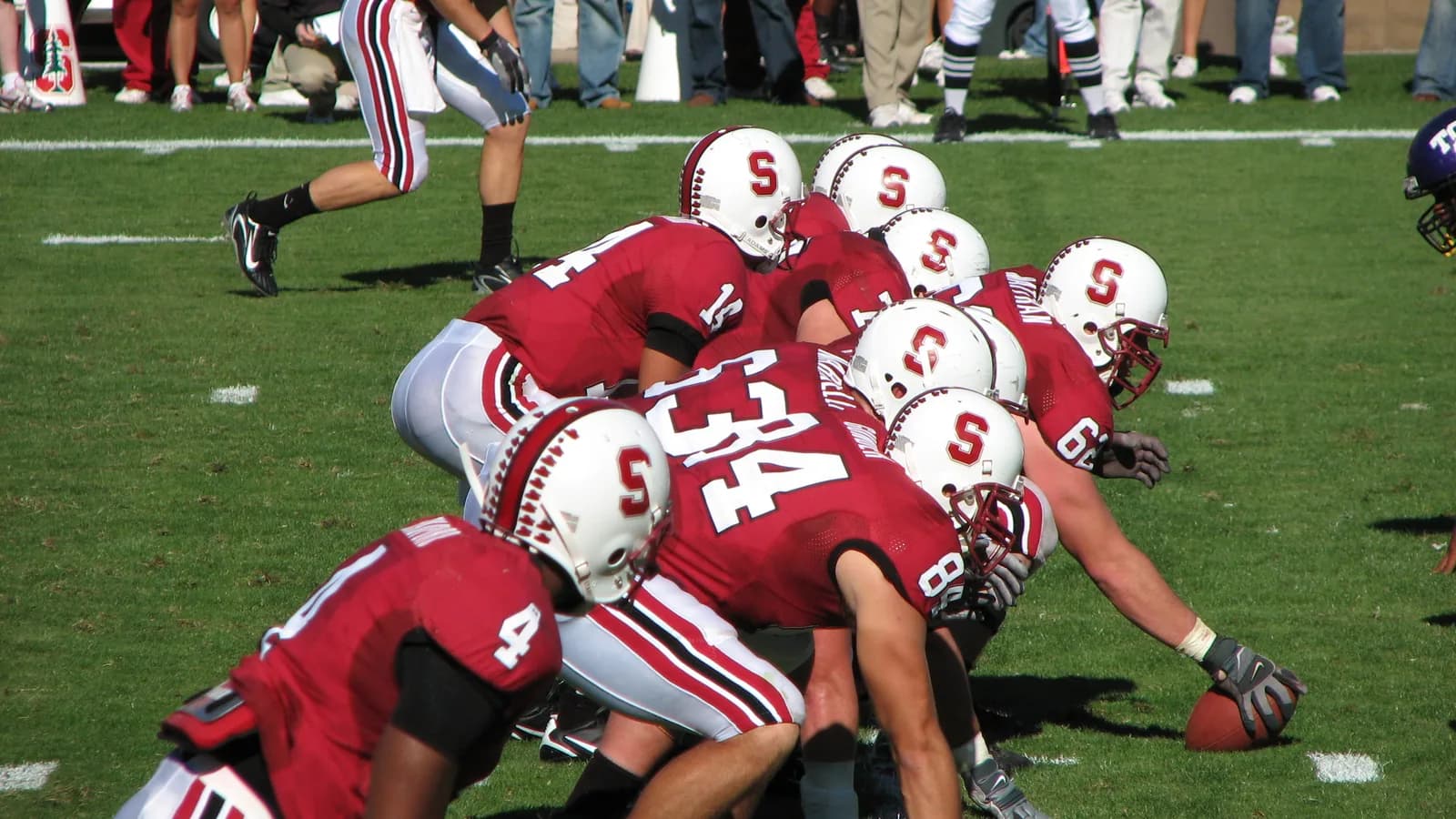
Miami drove 77 and 75 yards for touchdowns on its first two possessions, then completed four more touchdown drives of at least 65 yards. Stanford answered with only 30- and 24-yard Emmet Kenney field goals and lost 45-6. The repetition was the painful part. Miami kept traveling most of the field and finishing, while Stanford never reached the end zone.
That result did not erase the opening 37-27 victory over Hawai’i, when Davis Warren threw for 310 yards without a turnover and led the go-ahead drive after Stanford fell behind in the fourth quarter. It did change what that encouraging start can support. Stanford has shown that it can respond to trouble against Hawai’i; it has not shown that its new approach can survive a major increase in ACC speed and talent.
The comparison was always severe. ACC media picked Stanford last and made Miami the overwhelming preseason conference favorite. One lopsided night against that opponent cannot settle a season, but it moved the reset led by Andrew Luck and Tavita Pritchard beyond introductory optimism. Luck oversees the football operation, and he installed Pritchard as the permanent head coach after Frank Reich’s interim season. During this bye, Stanford fans should want that structure to produce visible corrections in three places.
Give the offense manageable downs
Warren completed 21 of 41 passes for 214 yards without a touchdown or interception against Miami. Protecting the ball remains useful, especially for a new quarterback in this offense, but avoiding disaster cannot be the whole attacking identity.
Stanford committed nine penalties for 70 yards, and Warren said those mistakes repeatedly left the offense facing second-and-15 or second-and-20. He also acknowledged dropped passes and throws he could have placed better. Those failures prevent an offense from dictating anything. The playbook contracts, the pass rush gains permission to attack, and a promising possession becomes another field-goal try or punt.
Offensive coordinator Terry Heffernan described his system as attacking, with tempo, shifts, motion and physicality helping Stanford dictate play. The first repair is therefore wonderfully unglamorous. Stanford needs legal formations, cleaner exchanges and productive early-down plays so Heffernan can use that movement as a weapon instead of calling from behind the chains.
Make room for Caden High
Caden High supplied the clearest offensive reason for optimism, catching six of seven targets for 92 yards in his season debut. His production gives Warren a receiver who can change a possession rather than merely keep it alive.
Stanford deliberately managed High’s repetitions because he was returning from an issue after missing a couple of weeks of practice, and he did not play in the second half. Pritchard did not report a new in-game injury. The bye gives High another week to build toward a larger role without rushing his return. If he can handle more snaps when Stanford returns, Warren will have more chances to use the offense’s most productive receiver against ACC competition.
High cannot fix every stalled drive, but his immediate productivity gives the staff something concrete to build around. Stanford’s attacking language will become easier to believe if motion and tempo create favorable touches for its most productive receiver, and if the offense reaches those calls without first sabotaging the down and distance.
Turn defensive principles into tackles
Stanford allowed 428 passing yards and five passing touchdowns while recording no sacks and only two quarterback hurries. Stanford’s pass rush has to give the secondary more help. Without sacks or sustained pressure, opposing quarterbacks can wait for receivers to uncover and force the coverage to defend too many extended plays.
Miami receiver Malachi Toney caught 12 of 13 targets for a program-record 234 yards and three touchdowns, including a 47-yard score. Stanford defensive coordinator Kris Richard had emphasized setting edges, maintaining gap accountability and eliminating explosive runs and passes. Against Miami’s best receiver, those principles never became reliable control of the ball carrier.
Pritchard identified failures in leverage, pursuit, swarming and finishing tackles against Toney rather than reducing the problem to one coverage call. That diagnosis gives the bye real purpose. Stanford defenders need to arrive from the proper angle, bring help and finish the play; changing a coverage label means little if the same receiver can turn catches into additional yards through missed leverage and weak tackling.
There is no Stanford game and no outside result important enough to adopt in Week 2. The full slate still lives in the interactive guide, with the forecast process explained in the methodology, but the Cardinal’s useful work is internal.
The Hawai’i comeback showed that Stanford can respond when a game turns against it. The Miami loss showed what still breaks down against elite ACC competition. Penalties create hopeless down-and-distance, High’s managed workload limits the best receiving option and poor leverage and tackling let a star receiver take over. The bye matters if those failures are less visible when Stanford returns to ACC play.